

News Center
Integrative treatment of tumors with Chinese and Western medicine "twice the result with half the effort"
Release time:
2015-09-24
Integrative treatment of tumors with Chinese and Western medicine "twice the result with half the effort"
When it comes to tumor treatment, people unconsciously think of the pattern of surgery → chemotherapy → radiotherapy → traditional Chinese medicine conditioning. Multidisciplinary comprehensive treatment is not just a simple addition of several treatment methods, but a scientific analysis of a patient's condition, arranging various treatment methods reasonably to achieve the best therapeutic effect.
The characteristics of conventional tumor therapies vary.

Surgery is the primary method for tumor treatment, with the advantage of being able to cure benign tumors. However, surgery also has its limitations; many tumors are found at an advanced stage, losing the indication for surgery, making it difficult for surgery to exert its advantages. Surgery can also cause significant trauma to the body and is prone to recurrence and metastasis.
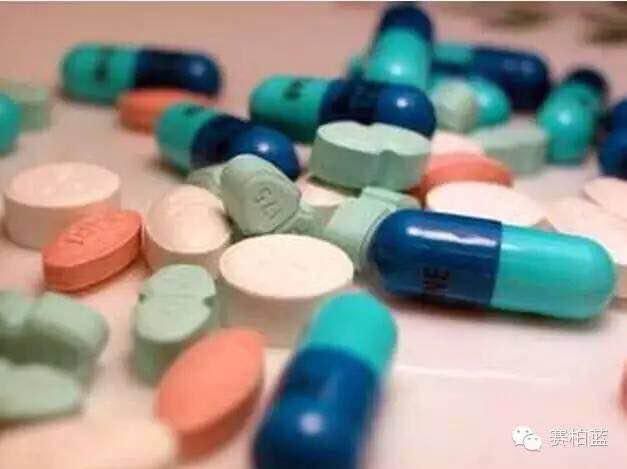
Chemotherapy is the most commonly used treatment method in clinical practice and is a lethal approach. Many tumors can be controlled or even cured through chemotherapy, but the toxic side effects of chemotherapy often instill fear, causing many patients with indications for chemotherapy to refuse it. With the emergence of new drugs in recent years, the side effects of chemotherapy have significantly decreased, and with the increasing number of adjuvant therapeutic drugs, many side effects can now be prevented.
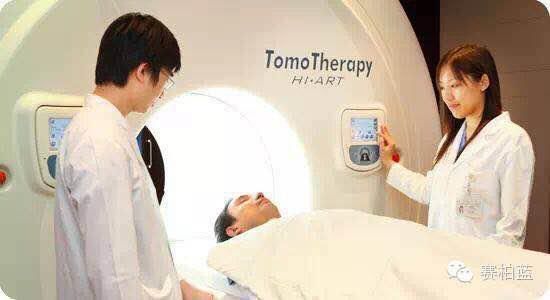
Radiotherapy is a method that uses radiation to control tumor growth. With the continuous improvement of radiotherapy technology in recent years, techniques such as stereotactic radiotherapy (Gamma Knife) and three-dimensional adaptive radiotherapy have shifted radiotherapy from controlling tumors to curing tumors, such as nasopharyngeal carcinoma and esophageal cancer. However, radiotherapy also has strong side effects, such as damage to skin and mucous membranes and gastrointestinal dysfunction, which can reduce the quality of life for patients.
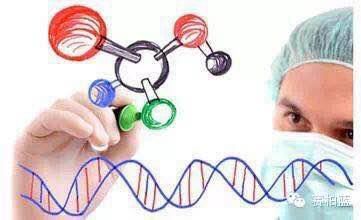
In recent years, molecular targeted drugs have brought new hope for tumor treatment, but targeted drugs are expensive, and some drugs have certain side effects, limiting their widespread application in clinical settings.
The combination of traditional Chinese and Western medicine achieves "twice the result with half the effort."
Traditional Chinese medicine is a treasure of our country, and its unique strengths in anti-tumor treatment can improve the weakness caused by surgery and reduce the toxic side effects of radiotherapy and chemotherapy. Surgery or radiotherapy and chemotherapy can cause weakness or toxic side effects in the body, and at this time, traditional Chinese medicine can be used to reduce toxicity and enhance efficacy, improve the quality of life of patients, and prolong their survival time.
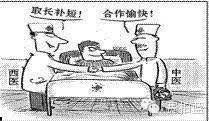
In summary, traditional Chinese medicine treatment can be integrated throughout the entire process of tumor treatment, closely combined with Western medical treatment methods, allowing each to exert its advantages and achieve the best clinical efficacy.
(Source: Yangtze Evening News Author/Professor Hua Haiqing)
Related Information